

Comprehensive Solutions for Liquid-Cooled Containers: Addressing the Challenges of Ultra-High Power Densities
Release time: 2026-01-04
Table of Contents
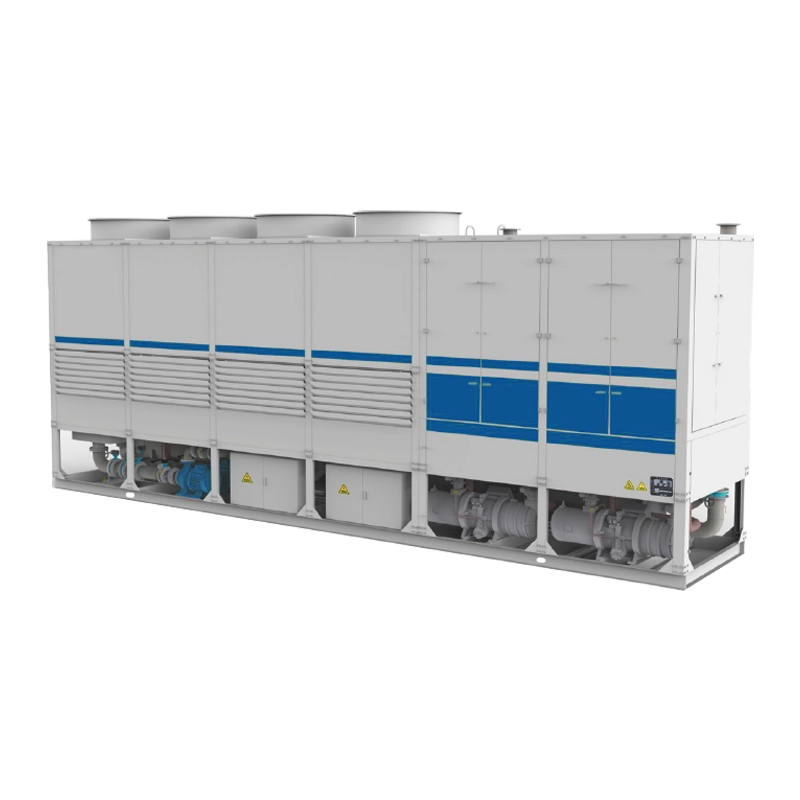
As industries worldwide continue to evolve, the demand for efficient and robust power solutions has never been greater. This urgency is particularly pronounced in sectors such as data centers, telecommunications, and high-performance computing, where the quest for extreme power densities is paramount. Enter integrated solutions for liquid cooled containers—an innovative approach designed to meet today’s challenges while paving the way for a sustainable energy future.

Understanding the Need for Liquid Cooling
The rapid growth of technology and the increasing reliance on data-driven applications have led to a surge in power demands. Traditional air cooling methods often fall short when it comes to managing the heat generated by high-density power systems. These limitations can result in inefficiencies, increased operational costs, and even system failures.
Liquid cooling offers a more effective solution by utilizing the superior thermal conductivity of liquids. By transferring heat away from components more efficiently than air, liquid cooling systems can maintain optimal operating temperatures, ensuring reliability and performance.
The Advantages of Integrated Solutions
1. Enhanced Efficiency
One of the primary benefits of integrated liquid cooled containers is their efficiency. Liquid cooling systems can dissipate heat much more effectively than air cooling, which allows for higher power densities without the risk of overheating. This capability is crucial for modern applications that require significant computational power, such as artificial intelligence (AI), big data analytics, and cloud computing.
2. Space Optimization
As the demand for computing power grows, so does the need for space-efficient solutions. Integrated liquid cooled containers are designed to maximize space utilization. By consolidating cooling and computing resources into a single container, organizations can reduce their physical footprint while achieving the same or greater levels of performance.
3. Scalability
In today’s fast-paced technological landscape, scalability is vital. Integrated solutions for liquid cooled containers are inherently scalable, allowing businesses to expand their operations seamlessly. As power demands increase, additional containers can be added with minimal disruption to existing infrastructure.
4. Sustainability
Sustainability is a critical consideration in the race for power availability. Integrated liquid cooled containers are designed with energy efficiency in mind. By reducing the reliance on traditional cooling methods, these systems can lower energy consumption and minimize carbon footprints. Moreover, many liquid cooling systems can utilize renewable energy sources, further enhancing their sustainability profile.
Key Components of Integrated Liquid Cooled Containers
To fully harness the benefits of liquid cooling, several key components must be integrated into the design of these containers:
1. Precision Cooling Systems
At the heart of any liquid cooled container is a precision cooling system. These systems are engineered to deliver coolant directly to critical components, ensuring optimal thermal management. Advanced sensors and monitoring technologies can provide real-time data on temperature and flow rates, allowing for proactive maintenance and adjustments.
2. Modular Design
Modularity is a crucial aspect of integrated solutions. By designing containers with interchangeable modules, organizations can easily adapt to changing requirements. This flexibility allows for the integration of new technologies and upgrades without overhauling the entire system.
3. Advanced Materials
The choice of materials used in liquid cooled containers plays a significant role in performance and longevity. High-quality, corrosion-resistant materials are essential to ensure the durability of the cooling system and prevent leaks. Additionally, lightweight materials can help reduce the overall weight of the container, making it easier to transport and install.
4. Smart Control Systems
Modern integrated liquid cooled containers often incorporate smart control systems that leverage artificial intelligence and machine learning. These systems can optimize cooling performance based on real-time data, adjusting coolant flow rates and temperatures to maintain optimal conditions. This level of automation not only enhances efficiency but also reduces the need for manual intervention.
Applications of Integrated Liquid Cooled Containers
The versatility of integrated liquid cooled containers makes them suitable for a wide range of applications, including:
1. Data Centers
With the ongoing growth of cloud computing and big data, data centers are under immense pressure to deliver high performance while managing energy consumption. Integrated liquid cooled containers provide an effective solution to meet these challenges, enabling data centers to operate efficiently at higher densities.
2. Telecommunications
As the telecommunications industry continues to evolve with the rollout of 5G networks, the need for reliable and efficient cooling solutions is more critical than ever. Integrated liquid cooled containers can support the high power demands of telecommunications equipment while minimizing downtime and operational costs.
3. High-Performance Computing (HPC)
HPC environments require cutting-edge cooling solutions to manage the substantial heat generated by supercomputers and advanced processing units. Integrated liquid cooled containers offer the necessary cooling capacity to maintain peak performance, ensuring that HPC systems can operate effectively without thermal throttling.
Conclusion
In conclusion, integrated solutions for liquid cooled containers represent a pivotal advancement in meeting the challenges posed by extreme power densities and the global race for power availability. By harnessing the power of liquid cooling, organizations can achieve enhanced efficiency, scalability, and sustainability—all while optimizing space and performance.
As industries continue to demand more from their power solutions, the adoption of integrated liquid cooled containers will undoubtedly play a crucial role in shaping the future of energy management and technological advancement. Embracing this innovative approach is not just a strategic move; it’s a necessary step toward a more efficient and sustainable future.
What are the benefits of using liquid cooling over traditional air cooling?
Liquid cooling systems offer superior thermal conductivity, allowing for more efficient heat dissipation. This results in improved performance, reduced energy consumption, and the ability to handle higher power densities without overheating.
How do integrated liquid cooled containers optimize space?
These containers consolidate cooling and computing resources into a single unit, maximizing space utilization and reducing the physical footprint compared to traditional cooling methods.
Can integrated liquid cooled containers support renewable energy sources?
Yes, many liquid cooling systems are designed to be compatible with renewable energy solutions, further enhancing their sustainability and reducing carbon footprints.