

Liquid-Cooling Cabinets: Maximizing Efficiency and Performance
Release time: 2025-11-21
Table of Contents
Introduction to Liquid-Cooling Cabinets
In today’s fast-paced technological landscape, efficient cooling solutions are more crucial than ever, especially in environments where high-performance equipment operates. Among the most innovative solutions is the liquid-cooling cabinet, which uses liquid coolant to manage heat dissipation. This cutting-edge technology offers numerous benefits that ensure optimal performance and energy savings.
In this comprehensive guide, we will explore the key benefits of liquid-cooling cabinets, their superior performance advantages, and how they contribute to the sustainability of data centers, server rooms, and industrial setups.
What is a Liquid-Cooling Cabinet?
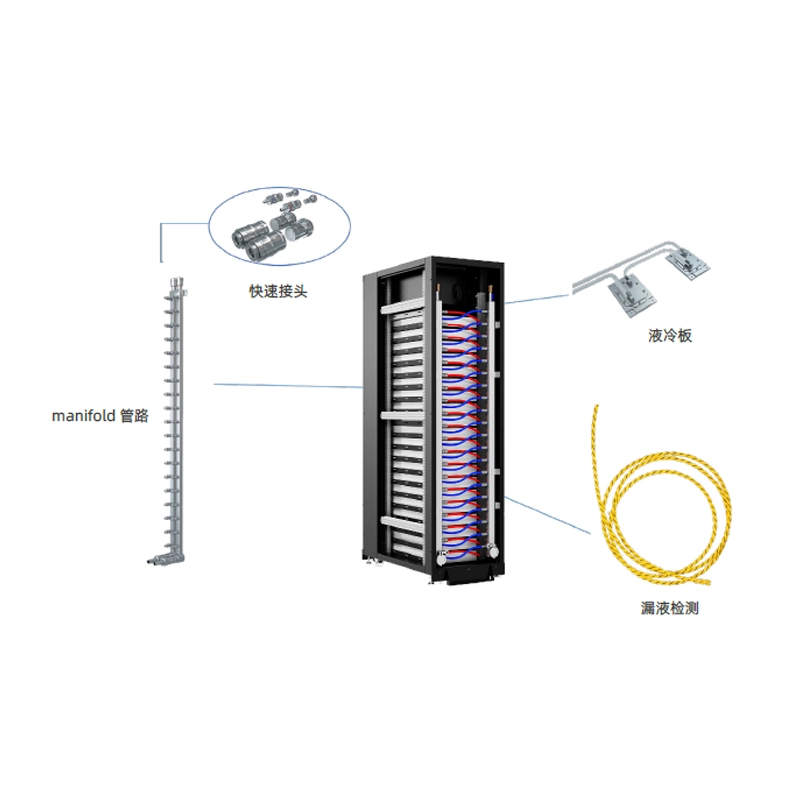
A liquid-cooling cabinet is a specialized cooling solution that uses liquid coolant to absorb and transfer heat away from high-performance electronic equipment. Unlike traditional air cooling methods, which rely on fans and ventilation, liquid cooling provides a more efficient heat exchange process. The coolant, typically a mixture of water and additives, flows through tubes or pipes directly in contact with heat-producing components, such as CPUs, GPUs, and power supplies.
Liquid-cooling cabinets are widely used in data centers, server rooms, and industrial applications where heat management is critical. With increasing demands for high-density computing and advanced technologies, liquid cooling offers a solution that traditional air cooling methods struggle to match.
Benefits of Liquid-Cooling Cabinets
1. Enhanced Cooling Efficiency
Unlike air cooling, which relies on fans and HVAC systems, liquid cooling has superior heat transfer capabilities. Liquids have a higher thermal conductivity than air, allowing them to absorb and move heat more efficiently. This makes liquid-cooling cabinets perfect for high-density setups where multiple machines generate a significant amount of heat.
The result is more efficient cooling, reduced risk of overheating, and a more stable operating environment for sensitive equipment.
2. Energy Savings and Reduced Operating Costs
One of the major advantages of liquid-cooling systems is their energy efficiency. Air cooling often requires power-hungry fans, AC units, and ventilation systems to maintain proper temperatures. Liquid-cooling cabinets, on the other hand, require less energy to pump coolant through the system, making them more sustainable and cost-effective.
By reducing energy consumption, businesses can significantly lower their operating costs while improving their environmental footprint—ideal for companies committed to sustainable practices.
3. Space Efficiency and Compact Design
In many industries, especially in data centers, space is limited. Liquid-cooling cabinets are designed to be more compact than traditional air-cooled systems, eliminating the need for large fans and ductwork. This compact design means you can store more equipment in a smaller footprint, allowing for better space utilization.
For companies operating in tight spaces, liquid-cooling systems offer a space-efficient solution to manage high-performance equipment without compromising on cooling effectiveness.
4. Noise Reduction
Cooling systems using fans and air-conditioning units are notorious for generating noise, which can be disruptive in workplace settings. Liquid-cooling cabinets operate quietly, making them ideal for environments where noise levels need to be minimized, such as in office spaces or research labs.
By switching to liquid cooling, businesses can create a more comfortable and productive work environment while still maintaining the necessary thermal management.
5. Prolonged Equipment Lifespan
Heat is one of the biggest contributors to hardware degradation. When equipment is exposed to excessive heat for prolonged periods, it can lead to malfunction and reduced lifespan. Liquid cooling ensures that equipment operates within its optimal temperature range, protecting it from overheating and minimizing the risk of damage.
Using liquid-cooling cabinets can help extend the life of your critical infrastructure, reducing the likelihood of expensive repairs or replacements.
Performance Benefits of Liquid-Cooling Cabinets
1. Optimal Performance in High-Density Environments
As technology continues to evolve, the power and density of electronic components also increase. The liquid-cooling cabinet offers superior cooling performance, particularly in high-density environments like data centers and high-performance computing setups. With modern hardware pushing thermal limits, air cooling often becomes inefficient, whereas liquid-cooling ensures that these systems can operate at peak performance without overheating.
Businesses that rely on high-density computing setups or advanced technology can benefit from the enhanced cooling and efficiency that liquid-cooling cabinets provide.
2. Scalability for Future Growth
As organizations grow, so do their cooling needs. Liquid-cooling systems offer significant scalability, which means they can accommodate future expansions in IT infrastructure without compromising on performance.
Whether your company is upgrading to more powerful servers, adding new technologies, or expanding data center operations, liquid-cooling cabinets provide the flexibility to meet evolving demands without needing a complete redesign of your cooling system.
3. Minimized Hotspots and Temperature Variability
In traditional air-cooling setups, hotspots can form in areas where airflow is inadequate, leading to overheating and potential failure. Liquid cooling solves this issue by ensuring even heat distribution throughout the cabinet. The liquid coolant absorbs and transports heat uniformly, preventing hotspots and ensuring that all components receive consistent and optimal cooling.
This feature helps businesses maintain a stable and reliable operating environment for their equipment, reducing the risk of system failures due to temperature fluctuations.
Why Liquid-Cooling Cabinets are Essential for Modern Infrastructure
In an era of rapidly advancing technology, the need for efficient and reliable cooling solutions is more critical than ever. Liquid-cooling cabinets provide a high-performance, energy-efficient alternative to traditional air-based cooling methods. Whether you’re running a data center, managing high-performance computing systems, or operating industrial machinery, these cabinets offer a host of benefits, including improved cooling efficiency, reduced energy costs, compact design, and extended equipment lifespan.