

The Future of Data Center Cooling: In-Row CDU Technology
Release time: 2025-12-05
Table of Contents
As the demand for data processing and storage continues to escalate due to advancements in artificial intelligence (AI) and high-performance computing (HPC), the need for efficient cooling solutions in data centers has never been more critical. Traditional air cooling methods are increasingly becoming insufficient for high-density server configurations, leading to the rise of innovative technologies like the In-Row Coolant Distribution Unit (CDU). This article delves into the benefits, functionality, and future potential of In-Row CDUs in modern data centers.
Understanding In-Row CDU Technology
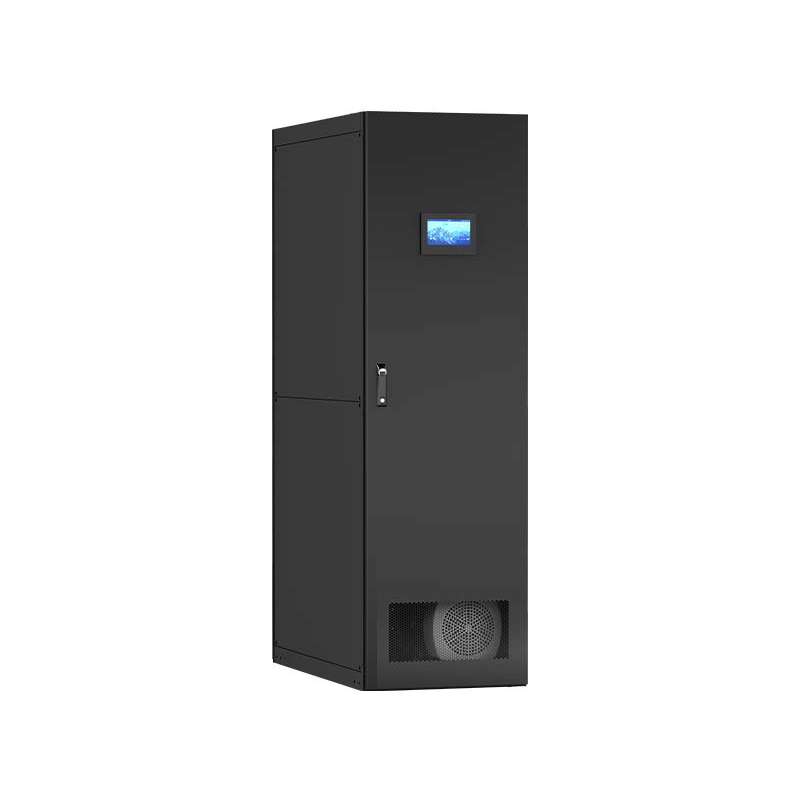
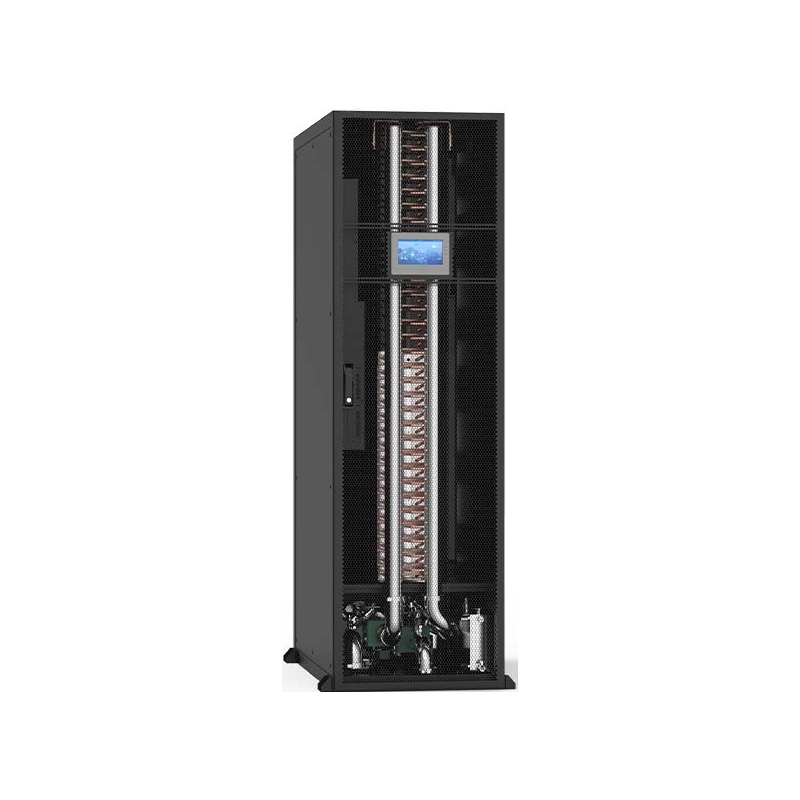
An In-Row CDU is a modular, cabinet-sized liquid cooling system strategically positioned within the rows of servers in a data center. Its primary goal is to enhance cooling efficiency by minimizing the distance between the cooling infrastructure and the heat sources—namely, the servers themselves. By integrating internal pumps, plate heat exchangers, and a closed-loop coolant management system, In-Row CDUs provide superior thermal control compared to traditional air cooling systems.
Key Features of In-Row CDUs
- Proximity to Heat Sources: By placing the cooling unit directly in line with server racks, heat is captured at the source, leading to better cooling performance.
- Closed-Loop System: The closed-loop design ensures that coolant circulates within the system without exposure to external contaminants, maintaining optimal performance over time.
- Energy Efficiency: Liquid cooling systems are generally more energy-efficient than air cooling systems, especially in high-density environments. They reduce the dependency on large HVAC systems, lowering overall operational costs.
- Redundancy and Reliability: Many In-Row CDUs are designed with redundancy features to ensure continuous operation, even in the event of a failure. Leak detection systems further enhance reliability by identifying potential issues before they escalate.
- Online Monitoring: Advanced monitoring capabilities allow data center operators to track performance metrics in real-time, facilitating proactive maintenance and ensuring optimal cooling efficiency.
Benefits of In-Row CDUs in Data Centers
1. Enhanced Cooling Performance
The primary advantage of using In-Row CDUs is their ability to provide targeted cooling directly where it’s needed most. High-density server environments generate significant heat, which can lead to thermal throttling or even equipment failure if not managed effectively. In-Row CDUs mitigate these risks by maintaining optimal temperature levels around the servers.
2. Space Efficiency
In-Row CDUs are designed to fit neatly within existing server rows, making them an ideal solution for data centers with space constraints. Unlike traditional cooling systems that require extensive ductwork and additional floor space, In-Row CDUs can be added to existing infrastructure without major renovations.
3. Scalability
As businesses grow and their data processing needs increase, so too must their cooling capabilities. In-Row CDUs offer scalability, allowing data center operators to add or remove units as needed to meet changing demands. This flexibility is crucial for organizations that anticipate growth in AI and HPC workloads.
4. Lower Energy Costs
By efficiently managing heat within the server racks, In-Row CDUs can significantly reduce energy consumption. Liquid cooling systems typically require less energy to operate than traditional air conditioning systems, translating into lower utility bills and a reduced carbon footprint.
5. Improved Equipment Lifespan
Maintaining optimal operating temperatures is vital for the longevity of IT equipment. In-Row CDUs help prevent overheating, which can degrade hardware performance and shorten lifespan. By investing in effective cooling solutions, organizations can protect their technology investments and reduce replacement costs.
The Role of In-Row CDUs in Modern Data Centers
In an era where data centers are evolving to meet increasing computational demands, the role of In-Row CDUs is becoming more prominent. These units are particularly beneficial in environments where space is at a premium, such as edge data centers or colocation facilities.
Integration with Facility Water
In-Row CDUs can connect to facility water systems for liquid-to-liquid cooling, utilizing existing infrastructure to enhance efficiency. This integration not only reduces the need for additional cooling resources but also leverages the thermal properties of water, which is far superior to air in terms of heat transfer.
Liquid-to-Air Options
For facilities that may not have direct access to water systems, In-Row CDUs can also utilize liquid-to-air configurations. These units reject heat through air-cooled heat exchangers, making them versatile solutions for various data center designs.
Future Innovations
As technology continues to advance, we can expect further innovations in In-Row CDU designs. Emerging trends include the incorporation of artificial intelligence for predictive cooling management, enhanced automation features, and improved materials that increase heat transfer efficiency.
Conclusion
The evolution of data center cooling technology is crucial as organizations strive to meet the demands of AI and HPC workloads. In-Row CDUs represent a significant step forward in achieving efficient, effective cooling solutions tailored for high-density environments. With features such as proximity to heat sources, energy efficiency, scalability, and advanced monitoring capabilities, In-Row CDUs offer a compelling alternative to traditional air cooling methods.
As data centers continue to adapt to ever-growing data needs, embracing innovative cooling technologies like In-Row CDUs will be essential in achieving operational efficiency, reducing costs, and ensuring the longevity of critical IT infrastructure. By investing in these advanced cooling solutions, organizations can position themselves at the forefront of the digital landscape, ready to tackle the challenges of tomorrow.