

The Importance of Energy Efficient Data Center Solutions
Release time: 2025-12-19
Table of Contents
In today’s digital age, data centers are the backbone of modern business operations. As organizations increasingly rely on digital infrastructure to store and process vast amounts of data, the demand for energy-efficient data center solutions is rising sharply. Energy efficiency in data centers helps reduce operational costs and plays a critical role in minimizing environmental impact. This article explores the importance of energy-efficient data center solutions, the benefits they offer, and strategies for implementing them effectively.
Understanding Energy Efficiency in Data Centers
Energy efficiency refers to the ability to use less energy to perform the same task. In the context of data centers, it involves optimizing the operation of servers, storage devices, and cooling systems to reduce overall energy consumption. With energy costs accounting for a significant portion of data center operating expenses, finding ways to enhance energy efficiency is crucial for both economic and environmental reasons.
Why Energy Efficiency Matters
- Cost Savings: Energy costs can be substantial in a data center environment, often comprising up to 30% of total operating expenses. By implementing energy-efficient solutions, organizations can significantly lower their utility bills, allowing them to allocate resources more effectively.
- Environmental Impact: Data centers are major consumers of electricity, contributing to greenhouse gas emissions and environmental degradation. Increasing energy efficiency helps reduce the carbon footprint of data centers, aligning with global sustainability goals and regulations aimed at combating climate change.
- Regulatory Compliance: Many countries and regions have implemented stricter regulations regarding energy consumption and emissions for large facilities, including data centers. Energy-efficient practices ensure compliance with these regulations, avoiding potential penalties and fostering a positive public image.
- System Reliability and Performance: Energy-efficient data centers tend to have better-managed thermal environments, which can enhance the reliability and performance of IT equipment. Proper cooling and airflow management can help prevent overheating, reducing the risk of downtime and hardware failures.
Benefits of Energy Efficient Data Center Solutions
1. Improved Operational Efficiency
Energy-efficient data centers often employ advanced technologies and best practices that streamline operations. For instance, using virtualization technology can optimize server utilization, allowing multiple applications to run on a single physical server. This reduces the number of servers required and, consequently, lowers energy consumption.
2. Enhanced Cooling Systems
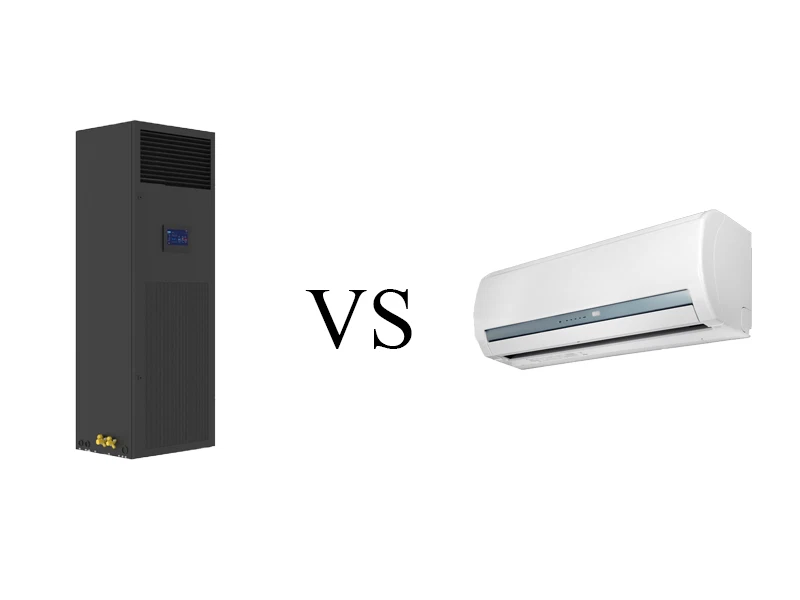
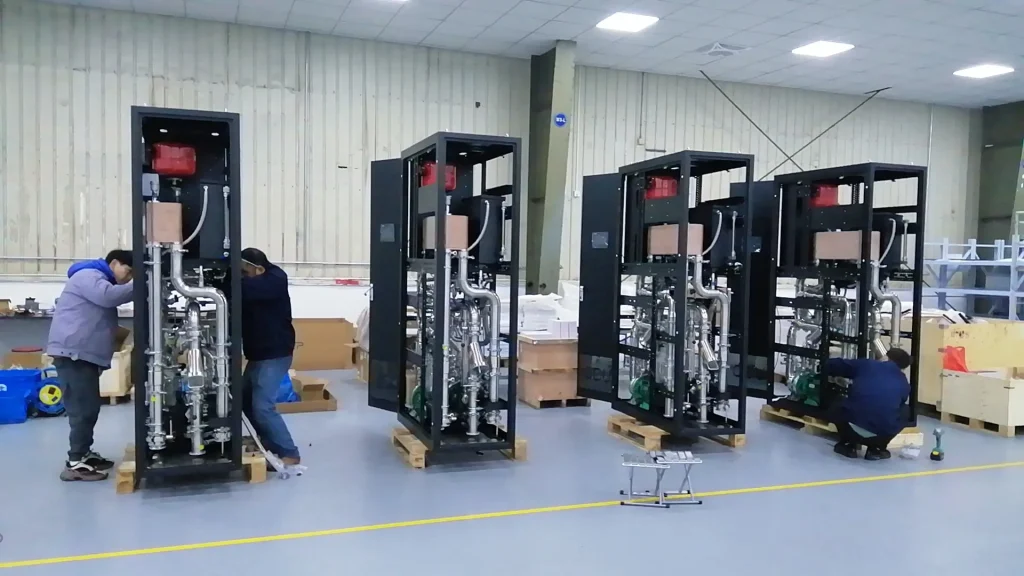
Cooling is one of the most significant energy expenditures in data centers. Traditional air conditioning systems can be inefficient, especially in high-density environments. Implementing innovative cooling solutions, such as liquid cooling or In-Row Coolant Distribution Units (CDUs), can dramatically improve cooling efficiency. These systems target heat at the source, reducing the overall load on cooling infrastructure.
3. Advanced Monitoring and Management
The integration of real-time monitoring tools allows data center operators to track energy usage, cooling efficiency, and equipment performance. Tools like DCIM (Data Center Infrastructure Management) software provide insights that help identify inefficiencies and optimize resource allocation. Predictive analytics can also forecast energy demands and adjust cooling and power distribution dynamically.
4. Renewable Energy Integration
Many energy-efficient data centers are now leveraging renewable energy sources, such as solar, wind, and geothermal, to meet their energy needs. By integrating renewables into their energy mix, data centers can reduce reliance on fossil fuels, further decreasing their carbon footprint and contributing to a sustainable future.
5. Scalability and Flexibility
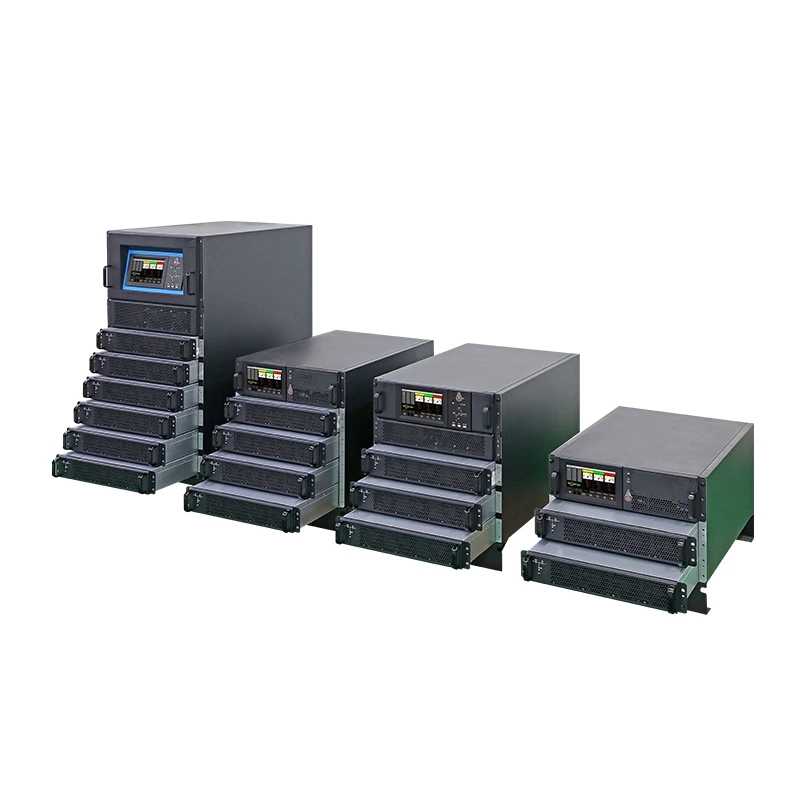
Energy-efficient designs allow data centers to scale more effectively. Modular data center solutions enable organizations to expand their infrastructure without significantly increasing energy consumption. This flexibility is essential for businesses that experience fluctuating demand or rapid growth.
Strategies for Implementing Energy Efficient Solutions
1. Conduct an Energy Audit
Before making any changes, it’s vital to conduct a thorough energy audit of the data center. This audit will identify areas where energy consumption is high and highlight opportunities for improvement. Understanding current energy usage patterns is the first step toward developing a strategy for energy efficiency.
2. Optimize Server Utilization
Implementing server virtualization can lead to significant energy savings by consolidating workloads onto fewer physical machines. By maximizing server utilization rates, organizations can decrease the number of active servers and reduce energy consumption.
3. Upgrade to Energy-Efficient Equipment
Investing in energy-efficient servers, storage devices, and networking equipment can yield long-term savings. Look for products that comply with ENERGY STAR ratings or other energy efficiency certifications. While the upfront costs may be higher, the return on investment over time can be substantial.
4. Improve Cooling Efficiency
Consider adopting advanced cooling technologies, such as:
- In-Row Cooling: Placing cooling units within server rows to minimize distance to heat sources.
- Hot/Cold Aisle Containment: Arranging server racks in alternating hot and cold aisles to improve airflow management.
- Variable Speed Fans: Using fans that adjust their speed based on the cooling demand rather than running at full capacity constantly.
5. Embrace Innovative Technologies
Stay updated on emerging technologies that promote energy efficiency, such as artificial intelligence (AI) and machine learning (ML). These technologies can optimize data center operations by predicting energy demands and adjusting systems in real time.
Conclusion
As the digital landscape continues to evolve, the importance of energy-efficient data center solutions cannot be overstated. Organizations that prioritize energy efficiency enjoy significant cost savings also contribute positively to environmental sustainability. By implementing strategies such as optimizing server utilization, upgrading to energy-efficient data center equipment, and adopting advanced cooling methods, data centers can operate more efficiently while supporting the growing demands of the digital age.
Investing in energy efficiency is not merely a trend; it is a fundamental aspect of future-proofing data center operations. As businesses strive to balance performance with sustainability, energy-efficient data center solutions will play a pivotal role in shaping a more resilient and environmentally friendly technological landscape.
What factors should we consider when selecting energy-efficient data center solutions?
When selecting energy-efficient solutions, consider factors such as:
Total Cost of Ownership (TCO): Evaluate initial investment versus long-term savings on energy costs.
Scalability: Ensure the solution can grow with your business needs.
Compatibility: Check compatibility with existing infrastructure and systems.
Vendor Reputation: Research vendors’ track records and customer support services.
Energy Efficiency Ratings: Look for products with recognized certifications like ENERGY STAR.
How can energy-efficient data center solutions impact our bottom line?
Implementing energy-efficient solutions can lead to significant cost savings by reducing energy consumption, lowering operational expenses, and decreasing cooling costs. These savings can improve profitability and provide a strong return on investment (ROI) over time.
What are the most effective energy-efficient technologies for data centers?
Some of the most effective technologies include:
Server Virtualization: Increases server utilization and reduces hardware needs.
In-Row Cooling Systems: Enhances cooling efficiency by targeting heat sources directly.
Liquid Cooling Solutions: Provides superior cooling performance for high-density environments.
Renewable Energy Integration: Reduces reliance on traditional energy sources and lowers carbon footprints.
What is the typical payback period for investing in energy-efficient data center solutions?
The payback period can vary based on the specific technologies implemented and the scale of the data center. Generally, organizations can expect payback periods ranging from 1 to 3 years, depending on the level of investment and local energy costs.