

Unlock the Power of Data Center Infrastructure: A Comprehensive Guide
Release time: 2025-12-23
In today’s digital era, data center infrastructure serves as the backbone of global businesses, powering everything from cloud storage to real-time applications. Without robust infrastructure, organizations face downtime risks, performance bottlenecks, and security vulnerabilities. This guide distills essential insights for IT professionals, business owners, and tech enthusiasts—covering core components, design principles, maintenance best practices, and future trends—to help you harness the full potential of data center infrastructure.

1. Power Systems
Reliable power is non-negotiable. Uninterruptible Power Supplies (UPS) act as a first line of defense, providing instant backup during outages to protect critical data. Generators offer long-term power support for extended blackouts, while Power Distribution Units (PDUs) ensure even electricity distribution across servers and networking gear, preventing overloads.
2. Cooling Systems
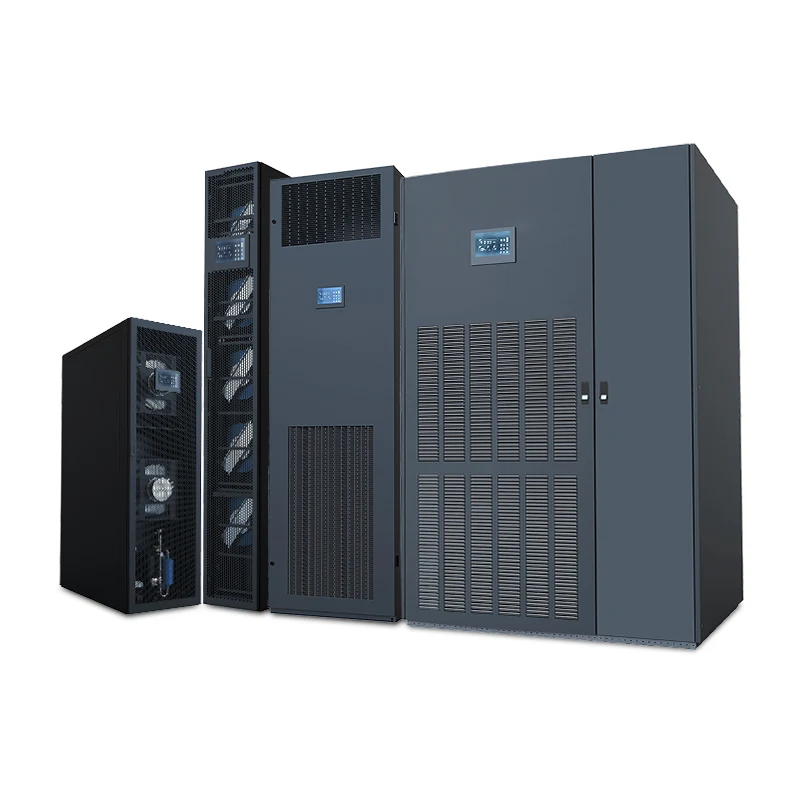
Overheating threatens hardware longevity and performance. Air-cooling technologies (e.g., precision air conditioners) remain cost-effective for small to mid-sized data centers, while liquid-cooling solutions are gaining traction for high-density setups—offering superior heat dissipation and energy efficiency.
3. Networking & Server Hardware
Switches enable fast internal data transfer, while routers connect data centers to external networks, supporting secure remote access. Servers, the workhorses of infrastructure, come in rack-mounted, blade, or tower forms; their performance hinges on CPU speed, RAM capacity, and storage type (SSD vs. HDD), tailored to specific workloads.
4. Design & Planning Essentials
Scalability is critical—design infrastructure to accommodate growth without major overhauls. Redundancy (e.g., duplicate power paths, backup cooling units) minimizes downtime from single-point failures. Energy efficiency, via LED lighting, efficient cooling, and renewable energy integration, cuts costs and reduces environmental impact.
5. Maintenance & Management
Regular maintenance (e.g., firmware updates, hardware inspections) prevents unexpected failures. Real-time monitoring systems track power usage, temperature, and network traffic, alerting teams to issues before they escalate. Staff training ensures teams can handle routine tasks and emergency responses, safeguarding infrastructure reliability.
6. Conclusion
Data center infrastructure is more than hardware—it’s a strategic asset that drives business agility and resilience. By prioritizing core components, scalable design, proactive maintenance, and emerging trends, organizations can build infrastructure that adapts to evolving digital demands. Stay informed on technological advancements to keep your data center efficient, secure, and future-ready.